Category Archives: resilience

Musing on the process of writing

When I returned from my trip to Hebden Bridge I pitched straight into completing the first full draft of my new book, on food resilience. I’ve been working on this book for some years, piecing the content together from field trips, networking events and out-takes from the Resilience Handbook. Cultivating my own resilience garden supplied me with the vegetables’ point of view!

I’ve been living on experiments for months, as I calculate exact quantities for recipes I’ve used for decades without measuring. Food resilience combines rotating your emergency stores with whatever you can forage – your own produce, special deals, community orchard fruit. This has kept me so busy that I just don’t use the supermarket any more, except to replenish heavy items in my stores.
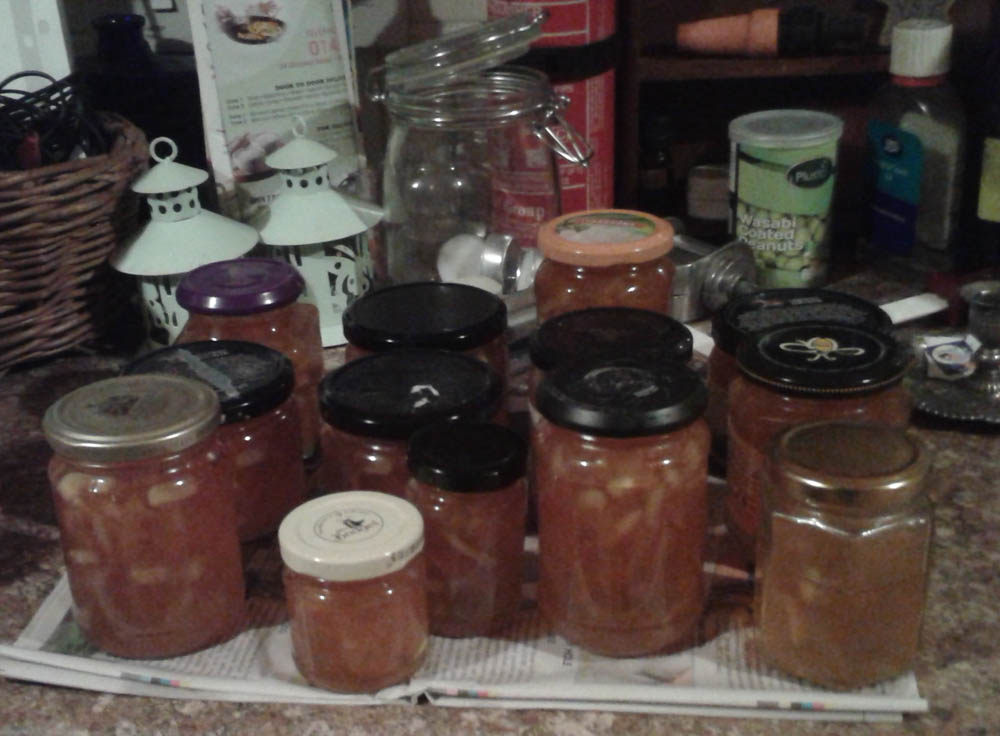
home made marmalade jars
You can’t make just a little marmalade!

I find I become quite obsessive at this stage of writing. Once I get past 40,000 words, I encounter continuity issues, even with non-fiction. Did I write on that subject in a previous chapter? Or did I just pencil in some notes? Finally weaving all the threads of a book into a single narrative requires intense concentration on my part.

turkish style rug on a frame loom
The knotted rug pictured in ‘Diary, September 2014’ finally completed this winter

As I rewrote the ‘Table of Contents’ ready to create a master document, and reach my personal milestone – the first word count of a full manuscript – I had that indefinable feeling that it was finished. There’s still a lot of work to do – chapters to revise, recipes to refine – but the book suddenly felt whole. I can take the scaffolding away; it’ll stand up on its own!

After over a month of relentless concentration, I can relax back into my normal writing regime. The book still requires work, but not to the exclusion of all else. Spring is coming, the new Resilience Allotment is prepared for planting, new adventures await!
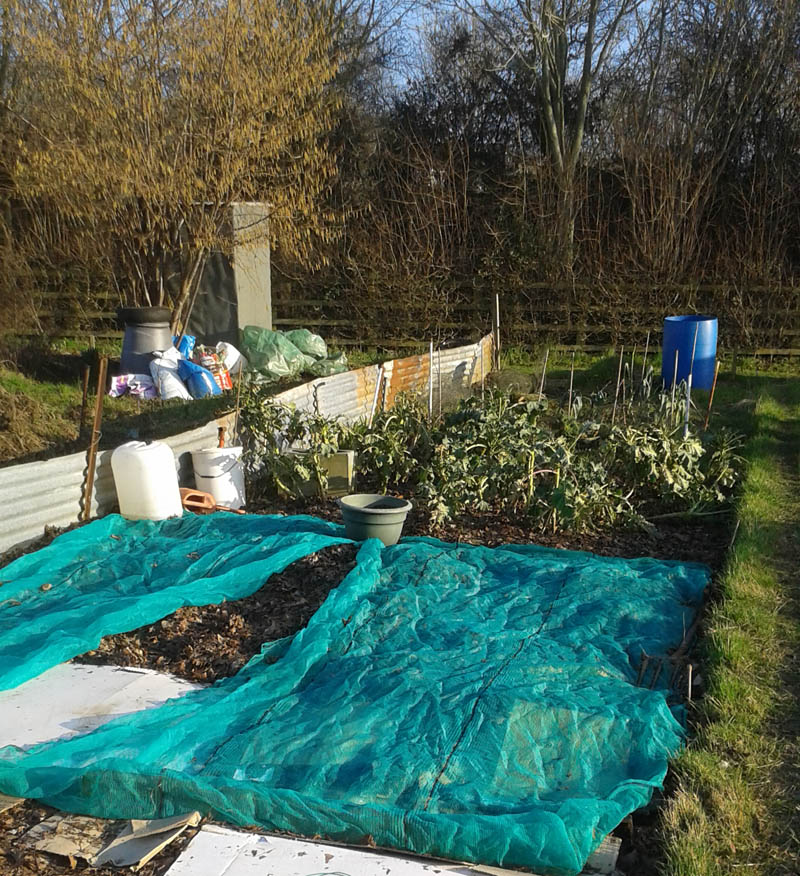
The Resilience Allotment


Apologies to my followers for the long hiatus! I do appreciate you, and the whole blogging community. I learn marvellous things from these windows you open into other places and lifestyles – I hope I’m giving you food for thought.

The links on this site are selected to provide stepping stones to further knowledge. Inform yourselves through many sources, and fake news will stand out like the wrong piece in a jigsaw puzzle.
February Diary 2017

It’s been a busy year so far! The astrologers say there may be a short respite in early autumn, but otherwise things promise to be relentlessly hectic.

I’ve set aside the time from January to April to finish my book about food resilience. It’s based around the seasons; it became quite disorientating, writing about the warmth of May when it was January outside.

I took a break, wrote an essay for the Nine Dots Prize then went up North on a brief networking mission. I stayed at the splendid Hebden Bridge hostel – used as a refugee centre during the 2015 floods – and spent a day in nearby Todmorden.

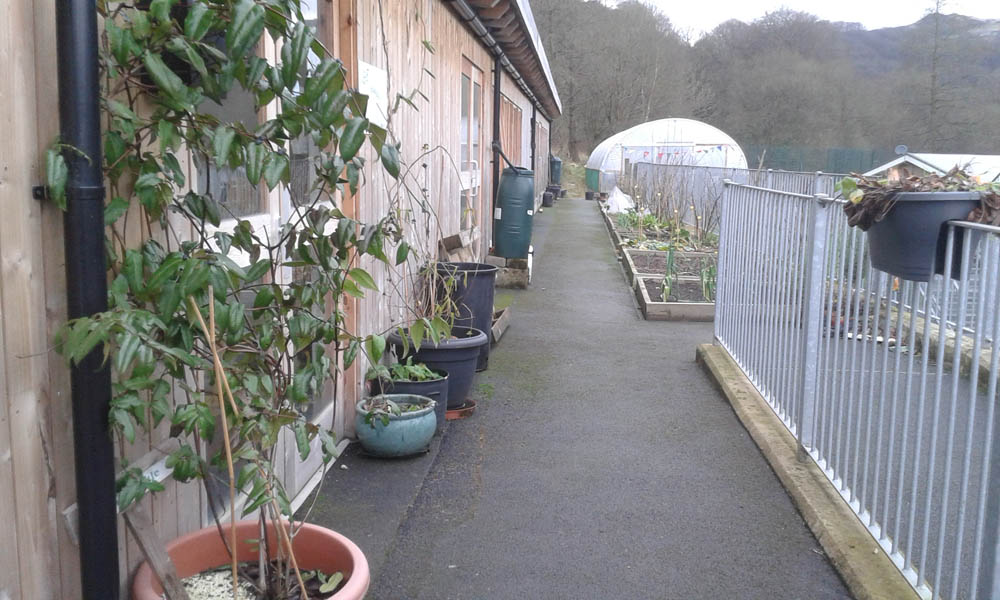
The Incredible Aquagarden was running a course that day, which was lucky. I caught the morning session, on soil science. It was interesting to compare the teaching styles with those of our local Feed Avalon organisation.

The Incredible Aquagarden from the outside

I met up with Estelle Brown from Incredible Edible Todmorden at lunchtime for a quick tour of their edible landmarks. The medicinal herb beds beside the canal had survived inundation, though nearby buildings had suffered badly. Pollinators’ Avenue, originally a temporary installation, was still going. The locals were fending off a planned retail centre on the site, having a perfectly good market next door.

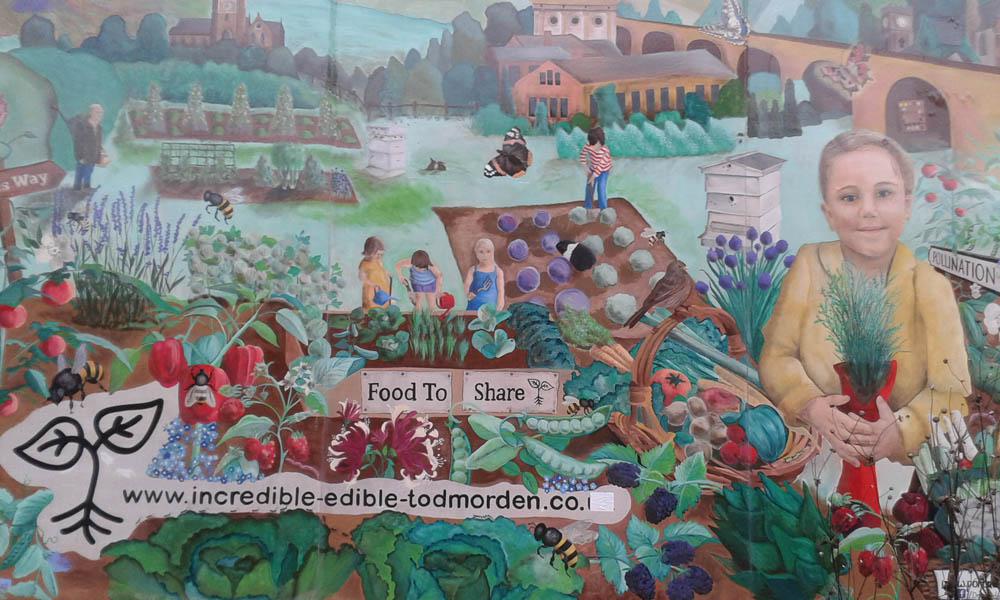
A new mural in Todmorden
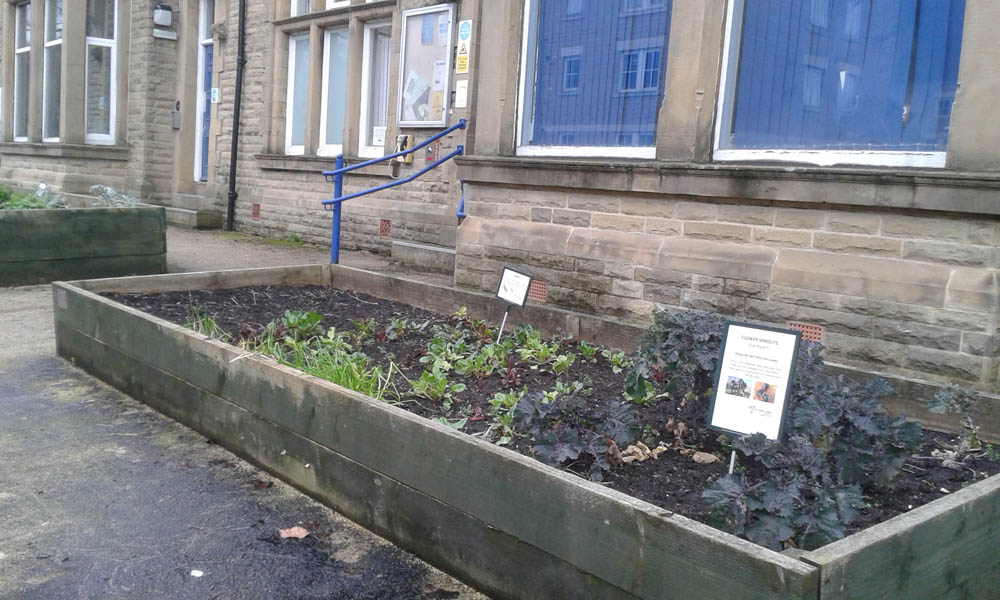
the iconic police station vegetable beds, Todmorden
People hang old teapots in trees to encourage robins to nest; the boat on the canal is just strange
Pollinators' Avenue
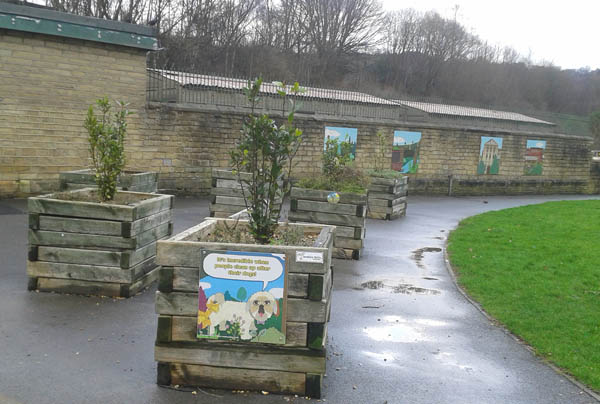
Pollinators’ Avenue

Although it was chilly and getting dark, I trekked back through the amazing park to the Aquagarden for the last part of their course. This dealt with aquaponics itself; I was able to thoroughly explore the process by viewing their demonstration equipment, complete with pet fish. This aquagarden is evolving into an educational centre, unlike the one at Mark, in Somerset, which is a commercial operation.

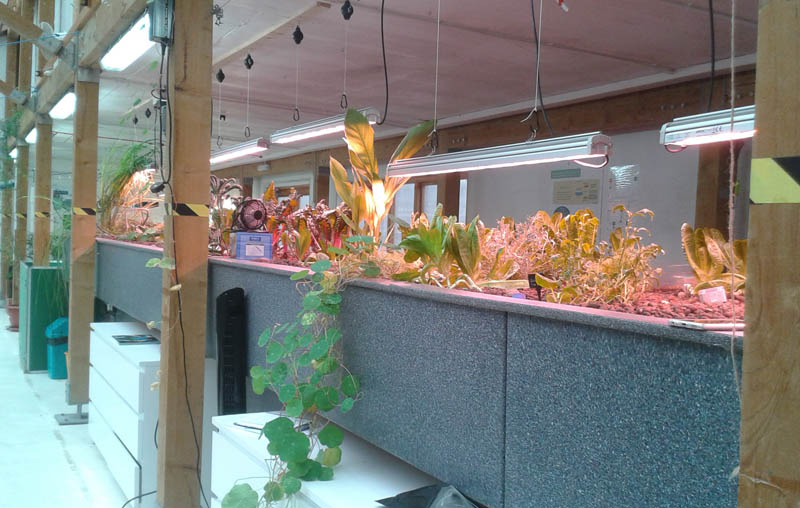
The fish tank and vegetable bed in the Todmorden aquagarden
Spring courses at the Incredible Aquagarden

At the end, I was presented with a set of hydroponic pots to take home – and, fortunately, a lift to the railway station. You’ve no idea what a novelty local trains are to someone from Mid-Somerset!

There was some time the next day to visit Hebden Bridge before we left. The Bookcase is open again – you can buy the Resilience Handbook there now! The comic book store is back too, though there is still a scattering of boarded windows in the main street. The water level overtopped defences based on previous floods by several feet.

At the old mill, the Archimedes screw survived, though it was a near thing. Everyone had flood stories, but the millkeeper’s tale highlighted an unforeseen hazard. Tree branches caught on a bridge just upstream, creating a dam which suddenly burst, hurling a tidal wave at their mill house. Only the window glass held back this surge; fortunately it wasn’t broken by the debris. Riverside properties in similar situations could consider adding metal grids to their flood protection strategies.

Archimedes screw
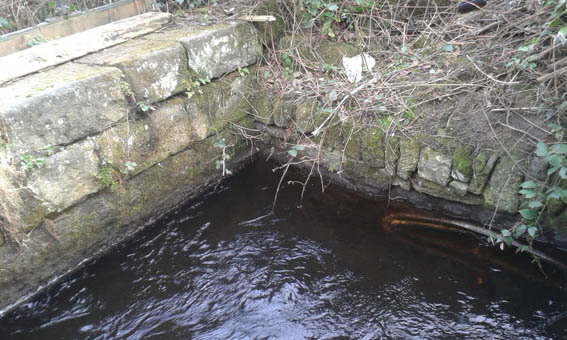
The Archimedes screw generates all the electricity for the mill building. You can see some heat exchange pipes in the water at the right of this picture, which provide some of the heating. 75% of the energy harvested at the mill is resold to the Grid.

Back to Somerset, night driving in the rain through relentless traffic. It was worse than my last visit; yet more housing was planned in the area. Is there some kind of crazy motorway Jenga going on – a game to see how much traffic you can pile into a system before it collapses?

And so back to the writing desk…an icy rain sweeps the garden as I imagine the chore of watering plants in hot summer sunshine, whilst browsing on fresh raspberries…

Worried about  global uncertainty?  Buy yourself a Resilience Handbook and start learning the power of community resilience!  We need informed debates centred  around practical, ground level solutions.

Why learn a craft?

Traditional crafts are dying out as their practitioners retire. Soon the vast knowledge base attached to them may be reduced to outlines in books.

Learning a real skill as a hobby can keep these alive. We may need them once the fossil fuel party is over. Developing a craft can provide you with continuity in a society where jobs and homes are continually shifting. Spend time with a teacher, exchange ideas, join an interest group, network with other crafters.

Take a look at your lifestyle. What do you value most – clothes, furniture, kitchenware, ornaments, the garden? In what area do you buy yourself luxuries? Explore the variety of crafts available. Attend craft demonstrations, search online, read some of John Seymour‘s iconic books.

Find one that really interests you and start to learn. Persevere for at least a year. It takes time to acquire a practical skill. Once you are involved, you’ll find other options open up. You may decide that using a potter’s wheel is not for you, but become fascinated by the art of mending bone china. I didn’t like spinning much, but found that I loved weaving!

The hobby which I developed into a personal skill was wine making. Now, people ask me for advice, and bring me useful equipment. My friends keep bees; I’m going to discuss making mead from honey.

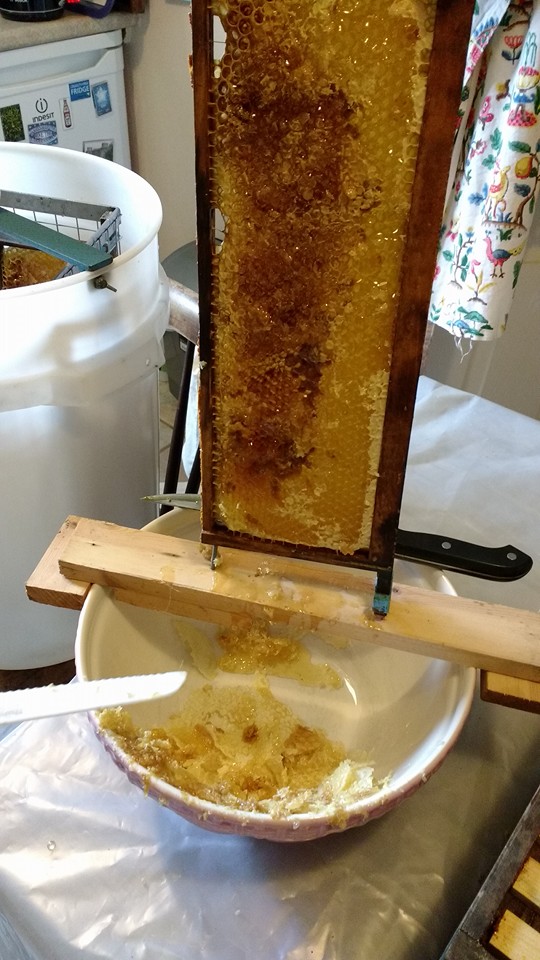
Extracting honey from a fresh comb

Many years ago, my father made wine as a hobby. I was, of course, taught to knit by my grandmother. The school tried to teach me sewing, but I was too busy resenting the fact that the boys got woodwork. Again, carpentry was something my father did quite well, while my mother hated sewing.

If you’re bringing up children, having a craft of your own could inspire them much later. Although I didn’t take much interest at the time, I do wonder if just having practical skills happening around me taught me more than I realised!

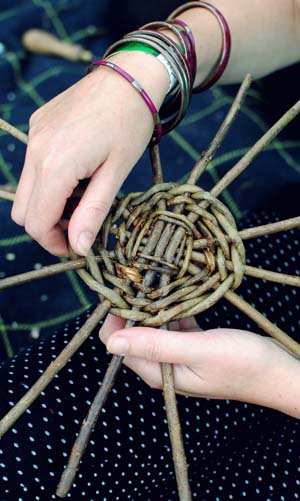
willow crafts
Baskets are always useful around the house
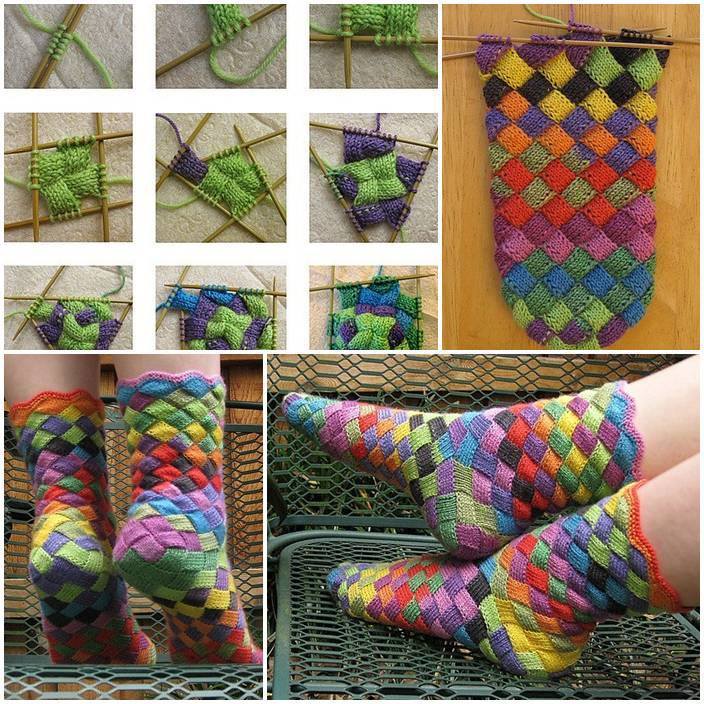
amazing socks from Norway
You can find the pattern for these under the More Information tab

Part of your personal resilience plan is to take up a craft – if you haven’t got one already – and try it out for a year. If you can’t get on with it after giving it a fair go, choose another one. You score for trying, not for producing wonderful works of art.

Learn more about this in the Reskilling section of the Resilience Handbook!

The Return of the Sun

It’s been said that the December Solstice is the start of winter, but it’s really the middle.  Winter is half over….by Imbolc, Candlemas, in February, the first green shoots of spring can be seen.  No matter how you feel about Xmas, the sun has still embarked on its summer pathways now, and the daylight will increase.

sunset-iceland

This was crucial in Northern lands, where communities had to live on stored food for months.  The days of feasting celebrated the coming end of winter, not its beginning!

London Trains

The news about the rail strike on the BBC condescendingly described it as ‘a dispute about opening train doors’.

It’s nothing of the sort. It’s about eliminating human workers inside the trains and ultimately on the platforms too. The driver, who one would hope is concentrating on driving the train, now has to ensure it’s safe to move off without any second opinion.

I suppose there would be a camera feed of the platform to his cab – unless it malfunctions. There’s unlikely to be sound. The cry of a mother to her runaway toddler, the eruption of an argument about to get violent, a lone woman traveller calling for help; all go unheard. The train moves off like a hopper on a factory conveyor belt.

It’s not just emergency response which will suffer through this shortsighted plan, underpinned by greed. The London train system isn’t just a transit tube for commuters. It’s a conduit for tourists as well.

On my return from Iceland, I landed at Luton Airport. From the ticket machines at the airport door to the unscheduled diversion which took me miles from my destination without warning, I found this system to be relentlessly user-hostile. As the commuters flicked through the small entry gates, I had to drag my heavy suitcase to the double doors. I’ve often observed that these are temperamental; luckily there were still staff around to manage them for me.

I have an Oyster card. I use it once a year or so. I have no idea how the amount of money on it relates to a train journey. I don’t want to show my credit card to a machine. I want to be able to pay in cash and ask some questions at a ticket window, but these seem to have vanished already. The new streamlined system only caters for travellers who already know it off by heart.

Communters are trapped in this system, but tourists have options. Machines can’t respond to unusual problems as humans can. The combination of ancient brickwork and automation will always look tawdry and sinister, never efficiently hi-tech. There needs to be the reassuring presence of knowledgeable and experienced people in recognisable uniforms.

Train and platform staff are crucial to the London tourist industry.

Readers of the Resilience Handbook may like to refer to one of the recommended reading books here. ‘Small World’ by Mark Buchanan, chapter 8 ‘Costs and Consequences’ (p131 in my copy), describes how transport congestion affects the expansion of airport hubs. If train services in London continue to develop down this dismal path, the third runway at Heathrow could well become redundant before it’s even completed.

I’ll be flying from regional airports in future, and I expect many other tourists will make the same decision. The network will shift focus.

Resilience in Iceland

My trip to Iceland was a journey through the island’s past. I was well acquainted with the Sagas, set in the period just after Settlement, from about 900 to 1050 AD, which described a prosperous landscape. I knew that deforestation quickly became a problem and Icelanders avoided the fate of their relatives in Greenland by a very small margin.*

One of my first stops was the Settlement Exhibition in Reykjavik. This museum has been built over an excavated longhouse from the Saga days. Its inhabitants enjoyed Iron Age luxury in their spacious ‘hvoll’ surrounded by natural abundance.

Following the prosperity of the early days came the Little Ice Age which began in the 1300s and lasted nearly six centuries. The trees cut for firewood, building and smelting iron didn’t grow back. The topsoil was lost and barley cultivation ceased. The fjords filled with ice; the fishing boats rotted on the strand with no wood for repairs.

There wasn’t even enough firewood to boil seawater for salt, essential for preserving food through the long winters. Luckily cows were able to survive, presumably living on seaweed and lichens like the people, and there was plenty of whey left over from butter making. The Icelanders expanded traditional techniques of preserving meat in lactic acid.

There was no clay for making pots, no iron to repair pans. People used the volcanic springs to steam food wrapped in cloth, dug pits in hot sand. Icelandic cuisine became desperately inventive.

The climate change was compounded by hostile political conditions and by the Black Death in 1402. The population fell from 60,000 to 20,000. Then there was the Skaftáreldar eruption in 1783, which poisoned large areas of grassland.

As Europe began to prosper again, there was a market for the fine woollen goods from Iceland – the sheep had survived too, and just as well as there were no fibre crops for cloth or ropes. Finally permitted to prosper from their own trade, the Icelanders invested in boats. Their fishing fleet was revived; technology trickled in from the Industrial Revolution.

Then electricity was invented! Icelanders swiftly caught on to the potential of renewable and volcanic energies. Huge greenhouses now provide all the vegetables they need for domestic consumption, and extensive reforestation is progressing. Recycling is taken seriously. So is trashing the countryside with off road vehicles.

You’ll find a great respect for the land among Icelanders. It nearly killed them. If you visit this paragon of resilience, don’t pretend you know what you’re doing. Hire locals to show you around, especially in winter!


*There’s a poignant description of the fate of one group of Greenland Vikings in ‘Collapse’ by Jared Diamond.  This is one of the recommended books in the Resilience Handbook…reading is a good activity in the winter!

There’s still time to order a signed copy of the Resilience Handbook before Xmas – email me after you’ve placed your order if you want it signed to another name!

The 21st Century Instruction Manual

The global situation seems a little tense just now, and there’s been a lot of interest in the Resilience Handbook. Don’t be shy. It’s not another point-of-view book telling you how wrong you are. It’s not scary like ‘Protect and Survive’ civil defence textbooks. It’s the tale of how you can be part of a positive change, how you’re already contributing, how you could have fun and save money by doing more.

The Resilience Handbook is an instruction manual. It’s a book designed for the digital age. Densely packed with information, it’s a series of notes for you to expand on through internet searching, and through your own experience of trying out the suggested actions.

It’s also a briefing document, condensing basic knowledge about each topic so you can participate in an informed discussion with others. That’s why I included a ‘resilience exam’ in the project. There’s no assessment for sustainability, no means of weighing contributions to a debate. Resilience has much clearer goals and heads in the same direction. There are certain things you need to be aware of, to have actually done, to know how to use. These can be identified and listed.

Read more about the test in the ‘Learning Resilience’ tab. Download and print the free resources. What’s your score? Where are the gaps in your knowledge? Create a resilience plan, start doing things you don’t normally do. Take your time, enjoy it!

What do you achieve by this? The actions and research I suggest are carefully thought through. They’re based on decades of experience. Once you’ve worked through the plan, I expect you to be more confident in an emergency. More aware of your environment, what you eat, who you are.

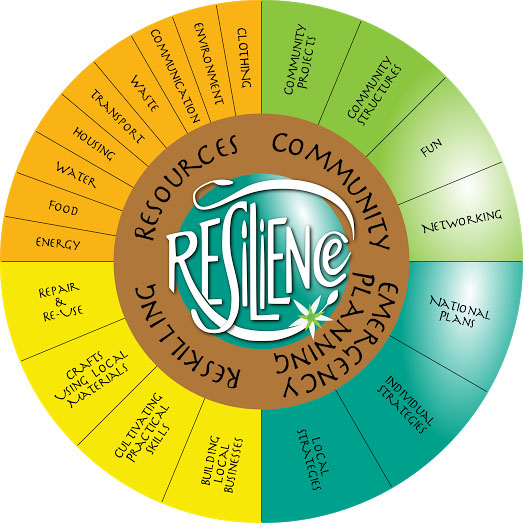
A wheel can’t move unless it’s balanced.

the resilience wheel

Potato Scones

Autumn is the prime time for eating potatoes. They’re a good crop for the novice gardener as they’re such a user-friendly vegetable. I got a good yield this year from the tyre stacks; the harvest has kept me supplied since August!  Pick out the blemished or nibbled spuds and eat them first, keeping the good ones in a cool dark place for later.

I always cook more than I need for one meal and use the leftovers next day. Twice baked potatoes, shepherd’s pie or fried potato cakes are my usual recipes of choice, but I thought I’d give potato scones a whirl this time.

You need a griddle to cook them on. This is a thick, flat metal sheet, about the size of a frying pan. It’s a useful piece of kit; people often used griddles to make pan breads over an open fire when we were living off-grid at long events.  You can use them on a gas cooker, but I haven’t tried with an electric ring.  Experiment; I expect it’ll work.

I haven’t got a griddle, so I used the heavy Le Creuset frying pan which is so perfect for pancakes; that worked just fine!   Although their kit is fiendishly expensive, I’ve used this pan constantly for twenty years and it’s probably good for the same again.

This recipe is for eight ounces of mashed potatoes. Weigh your leftovers and adjust the amounts accordingly. Don’t mash butter in if you plan to make these; serve them for the initial meal with the butter dotted on top, or the quantities will be wrong.

8 ounces mashed potato

1 ounce butter

2 ounces self-raising flour

dash of salt

Mix the flour and salt into the mash. Rub in the butter to make a stiff dough. It might seem a bit dry at first, but will soon soften as the butter warms up, so don’t add liquid. Knead this lightly, roll it out to about a centimetre thick on a well-floured board. Cut into triangles and cook for five minutes each side on a hot greased griddle or suitable equivalent.

potato scones recipe

I’d eat these with beans and bacon, but the kids from the Gardening Group preferred to spread them with golden syrup – this was surprisingly tasty, if rather sticky!

potato scones and syrup

This recipe made eight scones at a total cost of thirty pence, using organic locally sourced butter and flour.  Read the Food section of ‘The Resilience Handbook – How to survive in the 21st century’ to get started on low cost living!

I eat from stores, supplemented with my own produce – it’s not even a big garden, nor does it take much effort.  I only venture into supermarkets to stock up on heavy stuff and bargains; I feel almost deprived of retail experience!  However, I’m off to explore Iceland next week thanks to the money I’ve saved, so I can live with it!

October Diary 2016

It’s about time for another diary post, since it’s been a busy week here in Somerset.

Thursday was the Community Food Forum, an annual event organised by Feed Avalon. Around forty people gathered this year – its third – to network and exchange ideas. It was great to see projects like Plotgate, a community supported agriculture venture near Barton St David, developing from their initial fund raising to a successful business!

There seems to be a steady increase of interest in growing food, with new sectors engaging every year. This time there were people who work with mental health, where its therapeutic benefits are being recognised.

Saturday saw the Glastonbury Town Council hold a public consultation on possible uses for a splendid old building they have just acquired for the community. It would be ideal for a practical crafts centre; I’d like to see that combined with an ‘eco-college’ like Dartington Hall in Devon. We could explore local materials for textiles and ceramics – Somerset having a lot of wool and clay.

edible flower baskets in Glastonbury

In the evening, I went to the energy evening hosted by Green Wedmore. The purpose of the presentation and following debate was to explore future energy options for the local area. The range of these on the table was impressive. Not only solar, wind and hydropower, but also biomass from the surrounding RSPB nature reserves and anaerobic digestion using farm waste.

Vince Cable, former business secretary, gave the introduction and Pete Capener from Bath and West Community Energy provided an inspiring talk on how the renewables industry is adapting to a hostile government. I chatted to a long-serving member of the parish council, who’d recently had an impressive 16Kw array installed on the roofs of her farm buildings – using panels built in Wrexham. We snacked on excellent smoked trout vol au vents from the nearby aqua farm. The people of Wedmore intend to take quality with them into their sustainable future!

Someone had brought a particularly backward article just published in the Times. After spending much of the last forty years off grid, I view people who harp on about ‘the lights going out’ with the same astonishment as I’d view a flat-earther. Lights are easy. Washing machines, even freezers, are well within the scope of a modern personal renewables system without mains backup.

Tumble driers now, you could have a point.  It’s not such a rousing battle cry though – ‘without nuclear power, you might have to actually hang your clothes out to dry!’

Meanwhile, the smart consumer is considering the benefits of making their own electricity…..

solar power regulator

The best way to start this process is by looking at the devices you use already, and finding out how much electricity they use.  In the Energy chapter of the Resilience Handbook, task eight asks ‘can you calculate how much of your home could run on a supply of 2 kilowatts?’  This level of supply is not only possible with a personal solar array, but designed to use a small ‘suitcase’ generator as emergency backup. ( More power requires a larger, noisier generator.)

Once you know the answer to this question, you’ve got a much better idea what local energy can do for you – it’s more resilient than a centralised power supply!

For more information about food and energy resilience, read ‘The Resilience Handbook – How to survive in the 21st century’

Storing Water

Some European countries are advising people to stockpile a minimum amount of water and food in case of emergencies. This certainly makes good sense in a rural area like Somerset. Our civil contingency plans recommend looking at two weeks’ supplies before normal services can be resumed, in a general worst case scenario.

We’ve had the mains water cut off before. If you’ve got enough bottled water to last a whole fortnight, it’d be easy to cope for a day or so. Where could you keep it? Any dark place will do – under the stairs, in the loft, out in a shed. Be careful in a loft as the floor is not safe to walk on, nor strong enough to hold full water containers. You’ll have to put planks across the rafters.

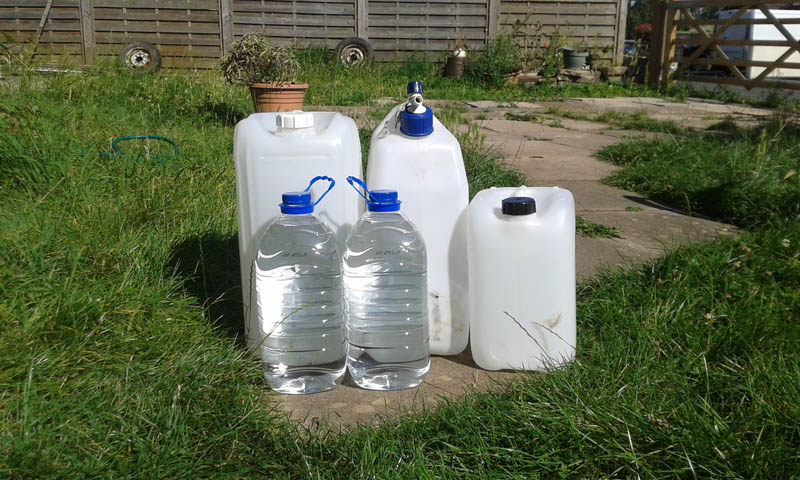
The five litre (gallon) bottles are the best ones to keep. The empty containers will be useful if the authorities bring a bowser or outside tap. Ideally you should have two litres of drinking water per person per day. For a fortnight, seven of these large bottles each will do.

This is quite a lot of storage for a family of four! If you simply haven’t the space for a full supply, keep a couple of the 25 litres (5 gallon) plastic water containers as well, such as people use on caravan holidays. Store them dry and empty; keep a bit of hose and a funnel with them as they’re hard to fill up from a sink tap. You’ll probably get some warning if the mains supply is going to fail, so you can get these full before it does.

a selection of water containers for an emergency

Make sure your bath plug fits and fill this up too. Extra water for washing would be nice! Remember full baths can be dangerous for small children. Add a couple of buckets and a large jug to your list and you have an excellent emergency kit to cope with quite a long interruption of mains water supplies.

For more information about emergency planning and community resilience, read ‘The Resilience Handbook – How to survive in the 21st century’